
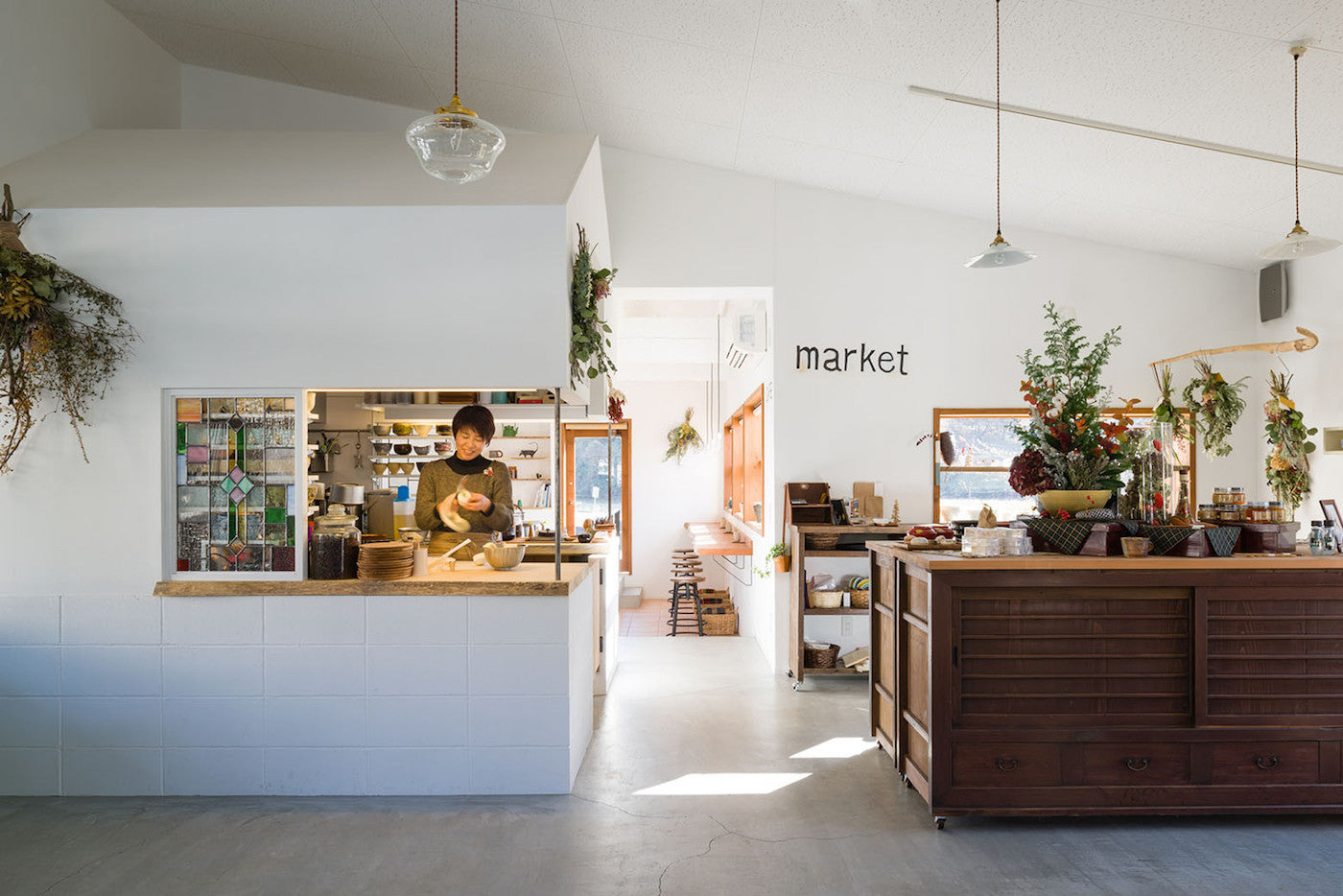
Art cafe Osaka searches tend to turn up a scattered mix of results: a few well-photographed interiors, some gallery listings, and a handful of forum threads from travelers asking where the “artsy” coffee spots actually are. I’ve spent enough afternoons wandering Osaka’s backstreets with a sketchbook and an empty stomach to know that the city’s art cafe scene doesn’t announce itself the way Tokyo’s does. It hides in converted machiya townhouses, above vintage record shops, and inside old apartment blocks that look residential until you notice the hand-painted sign by the door.
What makes Osaka’s version of the art cafe genuinely interesting is its lack of polish. This is a city that prizes substance over spectacle, and that ethos carries into its creative cafes. Rather than manufactured “Instagrammable” corners, you tend to find real ateliers with paint-splattered floors, cafes that double as small galleries for local illustrators, and coffee counters run by potters who also happen to make your cup. The art isn’t a backdrop here; it’s usually the reason the place exists at all.
This guide is built from my own repeated visits and conversations with baristas, gallery owners, and other travelers chasing the same kind of spaces. I won’t name specific businesses or promise exact prices, since both change quickly and I’d rather you discover the details yourself. Instead, think of this as a framework: the neighborhoods to prioritize, the kinds of spaces worth seeking out, and the etiquette that will make your visit smoother. By the end, you should have a genuinely useful mental map of where Osaka’s art and coffee cultures overlap.
Why Osaka’s Art Cafe Scene Feels Different
Osaka has always lived a little in Tokyo’s shadow when it comes to contemporary art coverage, but that’s partly what makes its cafe culture so rewarding to explore. Without the tourist crush that hits Tokyo’s design districts, Osaka’s art cafes tend to retain an unhurried, almost private feel. You can sit for two hours over a single coffee, sketch in the margins of your notebook, and nobody will rush you out for the next reservation.
There’s also a strong DIY, craftsperson lineage running through the city. Osaka has long been a merchant town, and that practical, hands-on sensibility shows up in how these cafes are built and run. Many are literally the ground floor of someone’s home or workshop, meaning the aesthetic feels lived-in rather than styled for a photo shoot. Ceramics on the shelves might be for sale, made by the person pulling your espresso shot.
The defining trait of Osaka’s art cafes is that the art and the coffee are usually made by the same hands, not licensed out to separate brands. That single detail changes the atmosphere entirely — conversations with staff tend to drift naturally into what’s on the walls, why a particular glaze was chosen for the mugs, or which local printmaker supplied the coasters.
Because the scene is dispersed rather than centralized, you won’t find one single “art cafe street” the way some cities have a gallery row. Instead, pockets exist across several neighborhoods, each with a distinct flavor — one leaning toward vintage and retro aesthetics, another toward minimalist Scandinavian-Japanese fusion, another toward raw industrial space repurposed from old factories or warehouses. Part of the fun is learning to read which neighborhood matches your particular taste before you start wandering.
Nakazakicho: Osaka’s Bohemian Heart
If you ask a local barista or gallery assistant where to find art cafes in Osaka, Nakazakicho comes up almost every time. Tucked behind Umeda’s skyscrapers, this neighborhood survived wartime bombing largely intact, which means its narrow lanes are still lined with prewar wooden houses. Many of these have been converted into small cafes, secondhand shops, and studio spaces over the past two decades, giving the area a distinctly bohemian, slightly ramshackle charm.
Walking through Nakazakicho feels less like sightseeing and more like eavesdropping on someone else’s creative life. Cafes here are often single-room affairs with only a handful of seats, decorated with owner’s personal art collections, rotating exhibitions from local illustrators, or handmade textiles draped over mismatched furniture. It’s common to find a small stack of zines or self-published art books available to flip through while you wait for your drink.
The neighborhood rewards slow, aimless walking rather than a fixed itinerary. I’d suggest picking a rough time window — a morning or an afternoon — and simply following whichever alley looks interesting, ducking into anything that catches your eye. Nakazakicho’s charm lies precisely in the fact that its best art cafes rarely appear at the top of search results, rewarding travelers willing to get a little lost.
Do be mindful that many of these spaces are genuinely small, sometimes seating fewer than ten people. Arriving during off-peak hours (late morning on a weekday, for instance) will give you a much better chance of finding a seat and having an unhurried conversation with the staff about the art on display.
Nakanoshima and the Museum-Adjacent Cafe Culture
Nakanoshima, the narrow island sitting between the Dojima and Tosabori rivers, takes a very different approach to art and coffee than Nakazakicho’s scrappy backstreets. This is Osaka’s cultural and civic core, home to several major museums and a growing number of architecturally striking cultural facilities. The cafes here tend to be more polished, often built directly into or beside gallery and museum spaces.
What I appreciate about the Nakanoshima approach is how deliberately these cafes are designed to extend the museum experience rather than simply serve as a rest stop. Large windows framing the riverside greenery, curated furniture selections, and rotating displays connected to current exhibitions all suggest real thought went into making the cafe feel like a continuation of the gallery next door, not an afterthought.
This area is ideal if your ideal art cafe experience involves a proper exhibition beforehand — spend the morning moving through gallery rooms, then settle into the attached cafe to process what you’ve seen over a coffee. Pairing a museum visit with its adjoining cafe tends to produce a far richer experience than treating the two as separate errands.
Because Nakanoshima attracts a broader mix of visitors, including families and tour groups, expect a slightly more mainstream atmosphere than Nakazakicho’s underground feel. That’s not a downside so much as a different register — polished rather than raw, but no less thoughtfully curated.
Repurposed Spaces: Warehouses, Machiya, and Old Apartments
One of the most distinctive threads running through Osaka’s art cafe scene is adaptive reuse. Rather than building from scratch, many owners have taken over old machiya townhouses, disused warehouses, or aging apartment blocks and converted them into hybrid art-and-coffee spaces. This isn’t just an aesthetic choice; it reflects real estate realities in a city where preserving old wooden structures is often more practical than demolishing them.
These repurposed spaces tend to carry visible traces of their former lives — exposed beams, worn tile floors, faded signage from a previous shop still hanging above the door. Rather than stripping these details away, most owners lean into them, layering contemporary art and furniture on top of the old bones of the building. The contrast between weathered structure and fresh creative work is often the most visually striking part of the visit.
Warehouse conversions in particular tend to attract a slightly different crowd than the cozier machiya cafes — expect higher ceilings, larger installations, and sometimes a gallery function that operates semi-independently from the cafe counter. The most memorable art cafes in Osaka are often the ones you almost mistake for abandoned buildings until you notice light spilling from a half-open door.
If you’re drawn to this category, keep an eye out for cafes that mention “renovated” or “old building” (古民家, kominka) in their descriptions online, since this is often a strong signal of the repurposed-space aesthetic even before you arrive.
Practical Tips for Exploring Osaka’s Art Cafes
Navigating this scene well requires a slightly different approach than typical cafe-hopping. Many of the best spaces have limited seating, irregular hours, or temporary closures for rotating exhibitions, so it’s worth checking current hours on social media or a map app on the day of your visit rather than relying on older blog posts (including, admittedly, ones like this).
Cash is still commonly preferred in smaller, independently run spaces, particularly the tiny Nakazakicho-style cafes, so carry some yen even if you’ve been relying on cards elsewhere in Osaka. Photography policies vary considerably — some owners are happy for you to photograph the art and interior, while others, especially where original artwork is for sale, ask that you refrain or request permission first.
Language can occasionally be a barrier, but I’ve found that curiosity translates well even without shared vocabulary. Pointing at a piece on the wall and offering an appreciative nod usually opens a conversation, even a halting one, about the artist or the technique involved. A little patience and genuine interest in the art will almost always be met with warmth, even in spaces that see very few foreign visitors.
Finally, pace yourself. It’s tempting to try to hit four or five cafes in a single afternoon, but the whole point of this scene is unhurried appreciation. I’d rather recommend spending real time in two spaces than rushing through five and remembering none of them clearly.
Summary
Osaka’s art cafe scene rewards travelers who are willing to slow down and wander rather than follow a rigid checklist. From the bohemian lanes of Nakazakicho to the polished museum-adjacent cafes of Nakanoshima, and from converted machiya to repurposed warehouses, the throughline is authenticity: these are spaces where art and coffee are genuinely intertwined, often by the same creative hands. Approach the search with curiosity, flexible timing, and a willingness to get pleasantly lost, and you’ll likely stumble onto something far more memorable than anything a top-ten list could promise.
FAQ
What neighborhood is best for finding art cafes in Osaka?
Nakazakicho is often considered the heart of Osaka’s bohemian cafe scene, while Nakanoshima offers a more polished, museum-adjacent alternative. Both are worth exploring depending on the atmosphere you prefer.
Do I need to make a reservation at Osaka’s art cafes?
Most small, independent art cafes don’t require reservations, but seating is often limited, so visiting during off-peak hours on weekdays can improve your chances of getting a seat.
Are these cafes suitable for casual visitors who aren’t art experts?
Absolutely. No specialized art knowledge is needed; genuine curiosity and openness to conversation with staff are usually enough to have a rewarding experience.
Is English spoken at most art cafes in Osaka?
It varies widely, especially at smaller, independently run spaces. Basic greetings, translation apps, and patience generally go a long way in bridging any language gap.
Osaka rarely gives up its best spaces easily, and that’s precisely what makes the hunt worthwhile. The cafes that stick with me weren’t the ones I found through a top-ranked list, but the ones I stumbled into after taking a wrong turn down some unremarkable-looking alley.
If you take one thing from this guide, let it be permission to wander without a fixed plan. Osaka’s art and coffee cultures were never designed to be consumed efficiently, and trying to do so misses the point entirely.
Bring a notebook, bring some cash, and bring genuine curiosity — the rest of the experience tends to take care of itself.