
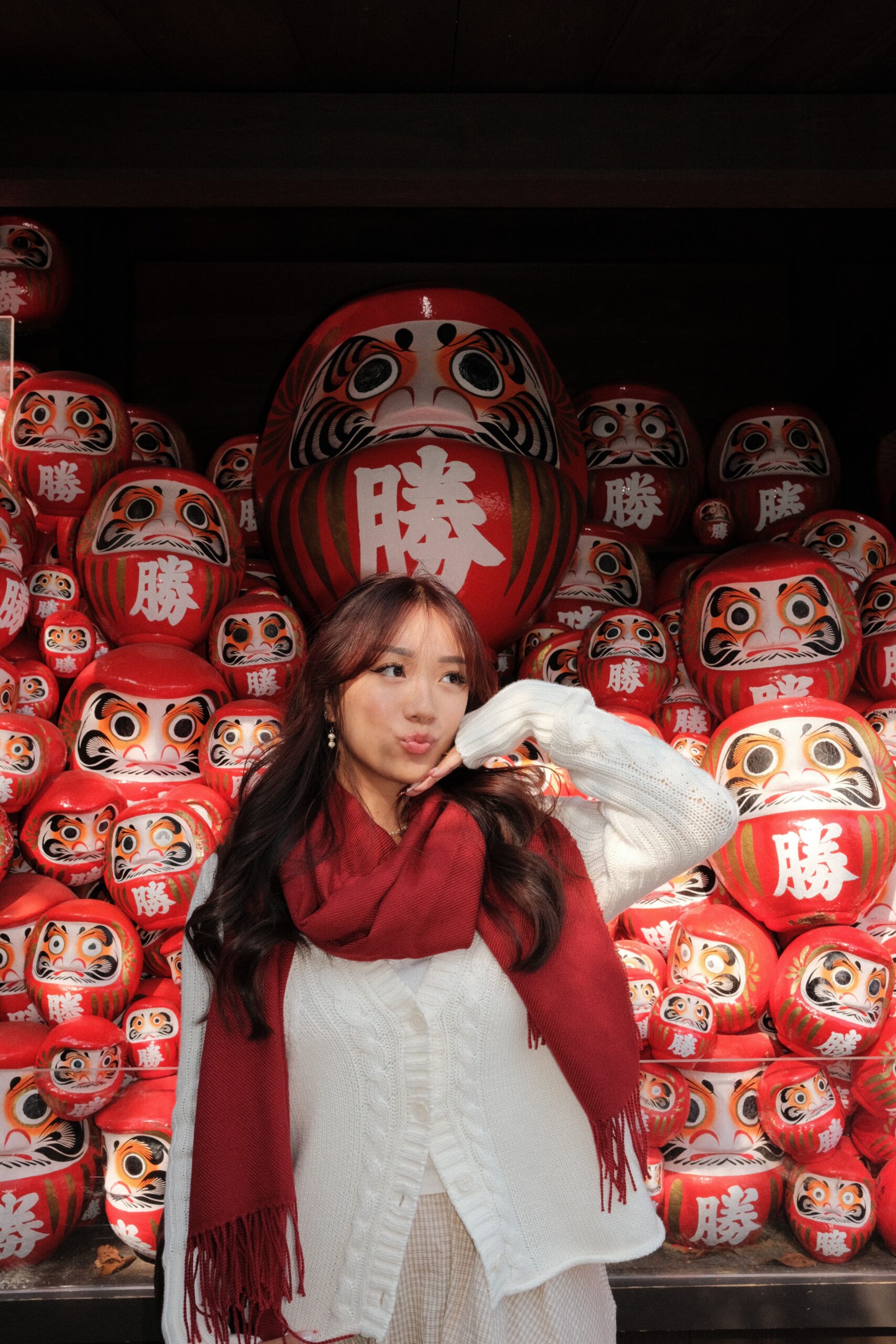
Osaka date ideas are what everyone asks me about when they find out I spend half my year wandering this city with a camera and an appetite. Osaka doesn’t have the postcard shrines of Kyoto or the neon overload of Tokyo’s biggest crossings, and honestly, that’s exactly why it works so well for couples. It’s a city built for wandering side by side, stopping when something smells good, and talking without either of you performing “sightseeing.”
I’ve taken dates here that started stiff and formal and ended with both of us laughing over a shared plate of something fried, and I’ve also had quiet, slow afternoons where we barely spoke and it still felt intimate. Osaka gives you both moods. It’s a city that doesn’t ask you to be impressed constantly — it lets you exist in it, which is rare and honestly kind of romantic in itself.
This guide isn’t a checklist of famous landmarks. It’s built from actual date patterns that work — the rhythm of a good Osaka day out, the neighborhoods that reward slow walking, and the small moments that end up mattering more than the big “experience” you booked in advance.
Start With Food, Not a Reservation
Osaka’s identity is built on food, and honestly the best dates here start from that fact instead of fighting it. Skip the idea of one big fancy dinner and think in terms of grazing — a few bites here, a drink there, moving through a neighborhood instead of sitting in one restaurant for two hours. It keeps the energy alive and gives you natural pauses to talk.
Dotonbori gets a bad reputation for being touristy, and parts of it are, but if you go slightly off the main canal-side strip, you’ll find narrow alleys full of small counters where you can eat standing up, shoulder to shoulder. There’s something disarming about sharing food off small plates in a loud, bright alley — it removes the pressure of a “proper” date dinner.
The best food dates in Osaka happen when you stop trying to find the “best” restaurant and just follow whichever smell pulls you in next. That mindset shift alone changes the whole tone of the evening — less planning, more discovering together.
If your date is more low-key, look for a standing bar (tachinomi) for early evening drinks. They’re small, a little awkward at first, and then suddenly very fun once you’re leaning against a counter with a drink each, people-watching. It’s cheap, it’s fast, and it forces conversation because there’s nothing else to do but talk.
Walk the River at the Right Time
Osaka’s rivers don’t get talked about as much as Kyoto’s, but the Okawa River and the canal areas around Nakanoshima are genuinely lovely for an evening walk. The key is timing — go right around sunset, when the light softens and the office crowd starts to thin out.
Nakanoshima itself is an island park between two rivers, with old European-style buildings, a rose garden depending on the season, and enough open space that you’re not competing with crowds for a good view. It’s one of the few central Osaka spots where you can actually hear each other speak without shouting over traffic or arcade noise.
In spring, the riverside cherry blossoms turn this into one of the most popular date walks in the city, and for good reason — but even without the blossoms, the water, the bridges, and the mix of old and modern architecture make it a quietly cinematic backdrop. You don’t need a special occasion to justify a slow lap around the island.
A river walk at dusk gives you the romantic lighting of a big city view without the stress of crowds, tickets, or timed entry. It’s the kind of date that costs nothing and somehow ends up being the one you remember most clearly a year later.
If you want to extend the evening, there are small bars and cafés along the edges of Nakanoshima and nearby streets where you can sit by a window and keep talking as the city lights come on properly. It’s unhurried in a way that a lot of Osaka’s busier areas aren’t.
Let a Museum Do the Talking
Art dates get overthought. You don’t need to be an expert, and you don’t need to “get” everything on the wall — the point is having something outside yourselves to react to together. Osaka has a solid, underrated museum scene that works well for this, from contemporary art spaces to design-focused exhibitions that rotate often enough to always have something new.
What I like about museum dates specifically is that they remove the pressure of constant conversation. You can drift at your own pace, meet back up in front of a piece neither of you can explain, and end up in a much better conversation than you would have had sitting across a dinner table with nothing to react to.
Osaka’s museums tend to be less crowded than Tokyo’s major institutions, which means you actually get room to stand in front of a piece for a while without being jostled. That breathing room matters more on a date than people expect — it lets a shared silence feel comfortable instead of awkward.
A good museum date isn’t about the art itself — it’s about watching how your date reacts to something unexpected, which tells you more than a week of small talk would. Pay attention to that reaction; it’s often more revealing than anything said out loud.
Afterward, most museum districts have a café or two nearby where you can sit and unpack what you just saw. That conversation — half genuine reaction, half joking critique — tends to be some of the easiest, most natural talking a date can produce.
Go Vertical for the View, But Time It Right
Every big city has its “view” date, and Osaka’s usual answer is one of its observation decks or rooftop bars looking out over the sprawling grid of the city at night. It’s a cliché for a reason — the view really is good, especially once the lights come on and the city stops looking like concrete and starts looking like something almost alive.
The trick is timing your visit for the transition period, roughly 30–40 minutes before full sunset, so you get to watch the sky change color over the skyline instead of just arriving to a already-dark view. That shift from daylight to city lights is honestly the most romantic part, more than the static nighttime view itself.
These spots tend to draw crowds, especially on weekends, so if quiet matters more to you than the “top” of a specific tower, look for smaller rooftop bars in less famous buildings. You’ll often get a similar skyline view with a fraction of the people and a drink in hand instead of a ticket line.
Arriving right as the sun starts dropping means you get two dates in one — a soft golden-hour view and, twenty minutes later, a completely different glittering nightscape. Few dates give you that much visual range in a single sitting.
Bring layers if it’s cooler weather; a lot of these viewpoints are outdoor or semi-outdoor, and there’s nothing romantic about being too cold to enjoy the moment you paid to see.
Slow Down in the Old Neighborhoods
Not every date needs a “wow” moment. Some of my favorite Osaka dates have happened in the older, quieter districts — places like Hozenji Yokocho’s narrow lantern-lit alley, or the shrine-adjacent backstreets where the crowds thin out almost immediately once you turn off the main road.
These neighborhoods reward wandering without a destination. There’s usually a small shrine tucked between buildings, a covered moss-stone path, or a tiny shop that’s been open for decades selling one specific thing very well. None of it is dramatic, but all of it feels personal in a way that big attractions don’t.
This is where I’d recommend going if you’re on a second or third date and want something that feels less like “sightseeing together” and more like “discovering a place together.” The lower energy of these streets tends to lower everyone’s guard a little too.
The quiet backstreets of old Osaka are where conversations actually go somewhere, mostly because there’s nothing competing for your attention except each other. That’s rarer in a big city than people admit.
End the walk at a small local café or tea spot if you find one — the kind with three tables and a menu handwritten on a chalkboard. Those places rarely make it onto travel lists, which is exactly why they still feel like your own discovery.
Putting a Full Day Together
The best Osaka dates I’ve had weren’t built around one single “big” activity — they were a loose chain of small ones. Start with a slow lunch grazing through a food alley, drift into an old neighborhood for an hour of aimless wandering, catch a museum or gallery in the afternoon when energy starts to dip, then end at a river walk or rooftop as the sun goes down. Nothing about that plan requires rigid timing, which matters, because the whole point of a good date is flexibility, not a schedule.
Osaka rewards this looseness more than most cities I’ve spent time in. It doesn’t punish you for improvising — a closed shop just means you find another one two doors down, and a crowded viewpoint just means you find a quieter one a few blocks over. Build in slack, and let the day shape itself around what you both feel like doing in the moment.
Frequently Asked Questions
What’s a good budget-friendly date idea in Osaka?
Food-alley grazing and river walks are both nearly free or very low-cost, and they tend to produce better conversation than a formal sit-down dinner anyway.
What’s the best time of day for an Osaka date?
Late afternoon into early evening works best, since it lets you catch golden-hour views, avoid midday crowds, and transition naturally into a dinner or bar stop.
Is Osaka good for a first date or better for longer-term couples?
It works for both — food alleys and viewpoints suit lower-pressure first dates, while quiet backstreets and museums suit couples wanting a slower, more personal experience.
Do I need to book things in advance for a date in Osaka?
Generally no, aside from popular observation decks on weekends. Most of the best date spots—food alleys, riverside paths, and old neighborhoods—work well with a spontaneous approach.
What I keep coming back to after years of dating my way through this city is that Osaka doesn’t need to be curated into something impressive. It already has enough texture, food, and quiet corners built into its everyday rhythm that a date here works best when you stop trying to control it.
Let the plan stay loose, let hunger and curiosity guide half your decisions, and leave room for a wrong turn down an alley you weren’t expecting. Some of my favorite Osaka memories came from exactly that kind of detour.
If you take one thing from this guide, let it be this: Osaka is generous to people who wander. Trust that, and the date tends to take care of itself.