
Unique things to do in Osaka rarely show up on the first page of a typical guidebook, and that’s exactly what makes them worth chasing. I’ve spent enough time wandering this city to know that its real personality lives in the cracks between the famous sights—down narrow alleys, inside converted warehouses, and on rooftops nobody thinks to look up at. Osaka has a reputation for food and neon, and both are well-earned, but underneath that surface is a city that rewards curiosity in a way few others in Japan do.
What I love most about Osaka is that it doesn’t take itself too seriously. Kyoto asks for reverence, Tokyo demands stamina, but Osaka just wants you to have a good time and maybe laugh at yourself a little. That attitude shapes even its quieter corners—the tiny museums, the strange retro arcades, the shrines tucked above shopping streets. This is a city built for wandering without an itinerary, and some of its best moments happen when you put the map away.
In this guide, I’m skipping the obvious castle-and-aquarium checklist in favor of experiences that feel distinctly Osakan: playful, a little eccentric, and deeply tied to everyday local life. Whether you have one afternoon or a full week, these five categories of unique things to do in Osaka will get you past the surface and into the city’s actual rhythm.
Wander the Retro Backstreets of Shinsekai and Beyond
Shinsekai gets mentioned in most Osaka itineraries, but few visitors slow down enough to actually feel its atmosphere. This neighborhood was built in the early 20th century as a utopian entertainment district modeled loosely on Paris and Coney Island, and while decades have worn away the polish, that ambition still lingers in the crooked signage and low-slung buildings. Walking here at dusk, when the lanterns flicker on and the smell of grilled skewers drifts into the street, feels like stepping into a slightly faded photograph.
Beyond the main strip, though, is where things get interesting. Duck into the side streets north of Tsutenkaku Tower and you’ll find shuttered game parlors, dusty second-hand shops, and tiny standing bars that have clearly seen the same regulars for thirty years. This is a part of Osaka that hasn’t been smoothed over for tourists, and that rawness is precisely its appeal. It’s not polished, and it’s not meant to be.
If you’re willing to walk a bit further, the adjacent neighborhoods of Nishinari offer an even less filtered look at old Osaka—working-class, unpretentious, and refreshingly free of souvenir shops. I wouldn’t suggest lingering after dark without some awareness of your surroundings, but a daytime walk here says more about the city’s working history than most museums do.
For contrast, wander over to the retrofuturistic shopping arcades nearby, where mid-century signage still advertises businesses that changed hands generations ago. Bring a camera, but more importantly, bring patience—the details are in the peeling paint and hand-lettered signs, not in any single landmark.
Discover Osaka’s Hidden Shrines and Rooftop Sanctuaries
Everyone knows Osaka Castle, but the city’s spiritual side hides in far quieter places. Tucked between office buildings and shopping streets are small shrines that locals visit on their lunch breaks, often without a single foreign tourist in sight. These pocket-sized sanctuaries, sometimes no bigger than a single room, carry centuries of history despite their modest footprint.
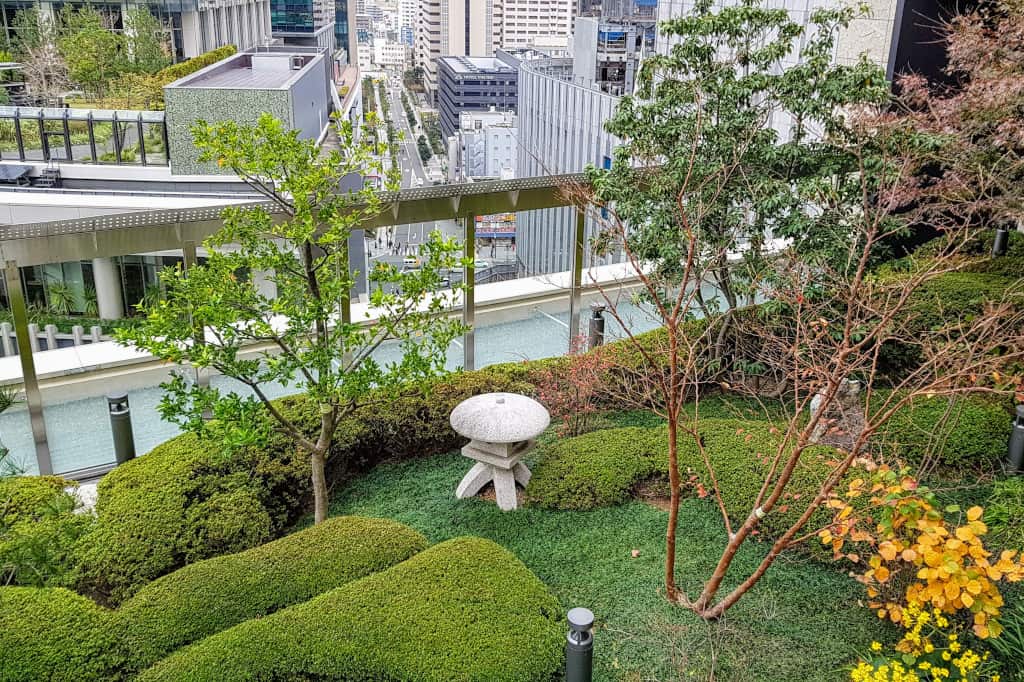
One of the strangest and most memorable finds in the city is a shrine built directly into the rooftop of a department store parking structure. Discovering it for the first time, I genuinely thought I’d taken a wrong turn—elevators open onto a parking garage, and there, incongruously, sits a functioning Shinto shrine with its own torii gate. It’s a perfect metaphor for Osaka itself: sacred tradition wedged unapologetically into the machinery of modern commerce.
Elsewhere, look for shrines dedicated to local deities of commerce and prosperity, reflecting Osaka’s historical identity as a merchant city. Unlike the grand religious complexes of Kyoto, these spaces feel personal and unfussy—there’s rarely an entrance fee, rarely a crowd, and rarely any pretense.
Visiting a few of these spots in sequence, especially ones connected by covered shopping streets, makes for a wonderfully strange afternoon. You’ll go from incense and quiet prayer to the clatter of a pachinko parlor within a hundred meters, and that whiplash is very much part of the experience.
Try to visit early in the morning if you want true quiet—by midday, most of these hidden spots have absorbed the noise of the surrounding streets.
Explore Osaka’s Eccentric Small Museums
Osaka’s museum scene doesn’t get the same international attention as Tokyo’s or Kyoto’s, and that’s part of the fun—many of the city’s best collections are small, specific, and delightfully strange. There are museums dedicated to instant noodles, to traditional crafts, to the history of currency, and to obsolete household appliances, each run with a level of earnest dedication that turns a niche subject into something surprisingly moving.
What strikes me every time is how interactive many of these spaces are. Rather than roped-off displays, you’ll often find hands-on exhibits where you can assemble something, taste something, or try an old-fashioned craft technique yourself. These small museums reward genuine curiosity far more than they reward a rushed checklist mentality.
A few of these institutions sit inside otherwise unremarkable office buildings, which means you might walk past one without noticing unless you’re specifically looking. That’s part of the appeal—there’s a sense of discovery in finding a museum dedicated to something as specific as matchbox art or vintage toys tucked on an upper floor above a convenience store.
I’d suggest picking one museum thematically related to something you already love—design, food history, folk crafts—rather than trying to see several in one day. The joy of these places is in slowing down enough to read the handwritten placards and appreciate the obsessive detail behind each collection.
Dive Into Osaka’s Underground Art and Design Scene
Osaka’s contemporary art scene tends to hide rather than announce itself. Converted warehouses, upper-floor galleries, and independent design studios scatter across neighborhoods like Horie and Nakazakicho, often without much signage to guide you. Finding them usually means following a vague online tip, walking past twice, and then noticing a small handwritten sign by a stairwell.
Nakazakicho in particular has become a haven for local artists and small creative businesses, many of them operating out of old wooden houses that have been lovingly, if imperfectly, renovated. Wandering these streets feels less like sightseeing and more like being let in on a secret that the neighborhood itself hasn’t advertised. The charm here comes from imperfection—chipped paint, mismatched furniture, and a sense that everything was built by hand rather than designed by committee.
Beyond galleries, keep an eye out for independent print shops, small-batch ceramic studios, and vintage design stores that double as informal community spaces. Many of these places are happy to chat if you show genuine interest, and some of my most memorable conversations in Osaka have happened over a counter in a shop with no more than three items for sale.
Because this scene is intentionally low-key, it’s worth checking local event listings or gallery social media accounts shortly before your trip, since pop-up exhibitions and limited-run shows are common and often the most rewarding finds.
Experience Osaka’s Nightlife Beyond the Neon
Dotonbori’s glowing signs are iconic, but Osaka’s nightlife has a quieter, more textured side that’s easy to miss if you never stray from the main canal-side crowds. A short walk into the surrounding backstreets reveals a different rhythm entirely—tiny bars with only five or six seats, jazz kissa cafés that have been spinning vinyl for decades, and standing izakayas where the conversation is louder than the music.
What makes these spaces special is their intimacy. Many are run by a single owner who remembers regulars by name and drink order, and stepping in as a newcomer often means being folded into that familiarity within a single visit. These small, owner-run spaces capture an intimacy that larger entertainment districts simply can’t replicate.
Some neighborhoods, particularly around Nakazakicho and parts of Tenma, have become known for their concentration of these tiny bars, each with a distinct personality shaped entirely by whoever’s behind the counter. It’s worth popping into two or three in a single evening rather than committing to just one, since the atmosphere can shift dramatically from door to door.
If you’re nervous about the language barrier, don’t be—curiosity and a willingness to gesture, point, and laugh at your own mistakes go a long way in these settings. Osaka’s late-night culture tends to reward openness more than fluency.
Just be mindful of unmarked seating charges or table fees that are common in small bars across Japan, and don’t hesitate to ask politely about costs before ordering if a menu isn’t clearly displayed.
Bringing It All Together
Osaka rewards travelers who wander without rigid plans, and the five areas above—retro backstreets, hidden shrines, eccentric museums, underground art pockets, and intimate nightlife—offer a fuller picture of the city than any single landmark could. Together, they reveal an Osaka that’s playful, unpretentious, and quietly proud of its own idiosyncrasies. The city doesn’t ask you to admire it from a distance; it invites you to get a little lost in its details.
If I had to give one piece of advice, it would be this: leave more time than you think you need. Osaka’s best moments rarely happen on schedule, and the detours are often more memorable than the destinations you originally planned to see.
Frequently Asked Questions About Unique Things to Do in Osaka
What is the best neighborhood in Osaka for offbeat exploration?
Areas like Nakazakicho, Tenma, and the backstreets around Shinsekai tend to offer the most rewarding offbeat experiences, with independent shops, small galleries, and quiet bars that reflect local life rather than tourist infrastructure.
Are these unique spots in Osaka suitable for solo travelers?
Yes, many of these experiences, from small museums to intimate bars, are very solo-friendly, and Osaka’s welcoming, casual culture makes it easy to strike up conversation even without fluent Japanese.
Do I need to speak Japanese to enjoy Osaka’s hidden spots?
Basic Japanese isn’t required, though a few polite phrases help. Many small business owners are used to curious visitors and communicate well through gestures, menus, and simple English.
What time of day is best for exploring Osaka’s backstreets and shrines?
Early morning is ideal for quiet shrines and retro neighborhoods, while late afternoon into evening suits art pockets and small bars, when local energy picks up and shopkeepers are more likely to chat.
Osaka has a way of turning even a wrong turn into a highlight, and that unpredictability is really what defines this city’s charm. The unique things to do in Osaka aren’t hidden behind velvet ropes or high price tags—they’re sitting in plain sight, waiting for someone willing to slow down and look closely.
Next time you’re planning a trip here, resist the urge to fill every hour. Leave space for a wrong turn, a strange museum, or a five-seat bar that catches your eye for no particular reason.
That’s usually where Osaka shows you its truest self.